

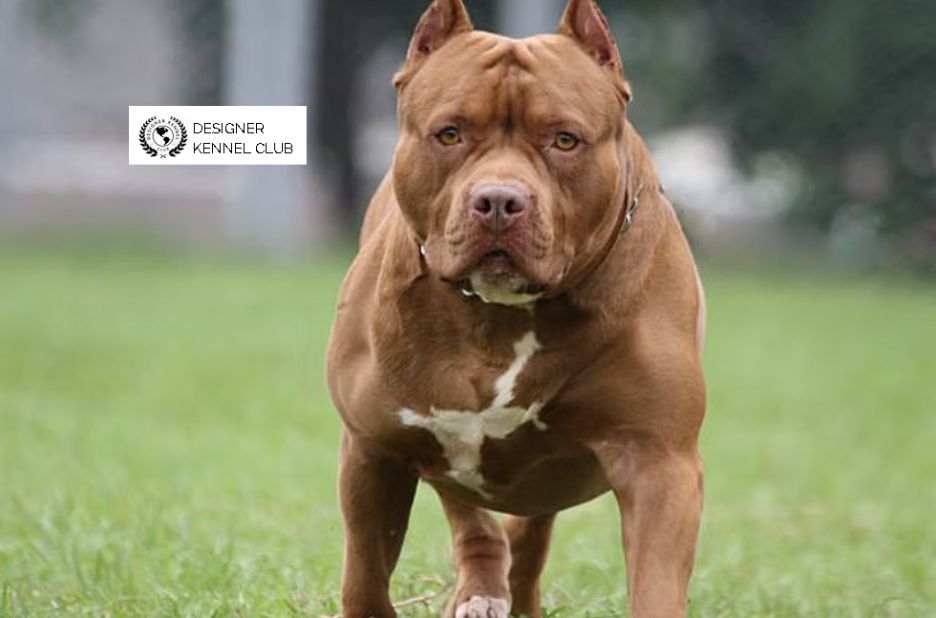

Why “No Documents” Pitbull Registrations Become a Headache
Many owners searching for ways to complete records for a dog they love run into a frustrating wall: the animal may have no transferable documentation from a prior owner, or the original paperwork may be missing. That gap can turn routine activities—like enrolling in kennel club pitbull registration without papers programs, pursuing health records, or preparing for adoption transfers—into a confusing maze of requests and refusals. When the dog’s identity is unclear on paper, shelters, breeders, and some registries may worry about mismatches, fraud, or accidental breed mislabeling.
Another common issue is that the phrase “no papers” often gets interpreted as “no identity,” even when the dog is clearly known to its current guardian. Owners may have microchip information, photos from rescue intake, vet visit notes, and proof of purchase or adoption, but those pieces do not always translate into what a registry requires. This mismatch between real-world evidence and formal registration expectations is exactly what causes delays and denials, especially for families trying to solve the problem quickly and responsibly.
Build a Verifiable Proof Package Before You Request Registration
A practical solution starts with assembling a proof package that helps a reviewer trust the dog’s origin and your role as the caretaker. Begin with identification evidence such as a microchip registration extract, veterinary records, and adoption or purchase documentation that shows dates and parties involved. Add neutral, factual support like clear photos of the dog’s markings, plus any temperament or behavioral notes written by a shelter or trainer, since these can provide context when breed verification is questioned.
Next, focus on traceable health and handling history. Vaccination records, deworming dates, and routine exam notes demonstrate continuity of care and help confirm the animal is the same dog across time and settings. If the dog came from a rescue, include intake paperwork and any communications that show the dog’s assignment and handling details. When you approach paperwork with a “verification-first” mindset, you reduce the chance of your request being dismissed due to missing background information.
Choose the Right Registration Path and Understand the Requirements
Not all registration methods are the same, and choosing the wrong one can waste both money and effort. Some registries prioritize ancestry documentation, while others focus on identification, verified ownership, and compatibility with existing databases. If your goal is to establish legitimate records for the dog you care for, look for programs that accept alternative forms of verification rather than requiring a complete chain of prior ownership paperwork.
It also helps to understand what will be evaluated during the process. For example, reviewers may require proof of current ownership, confirmation of the dog’s identity markers, and a plan for how breed information will be recorded. A responsible process will typically ask for clear descriptions, photos that show distinctive traits, and evidence that the dog is not being misrepresented. By aligning your submission with the specific criteria for, you can move forward with fewer surprises and stronger documentation.
Conclusion
The best way to address “missing documentation” is to treat registration as a structured verification task, not a gamble. When you gather microchip evidence, vet records, clear photos, and adoption or ownership documentation, you give reviewers the information they need to make an informed decision. This approach protects your dog’s identity and helps you build a stable paper trail for future activities like training, travel planning, and community involvement.
If you want a smoother, more guided path, exploring resources from designerkennelclub can help you understand what to prepare and how to present your information clearly. With the right materials and the right registration route, owners can replace uncertainty with credible records and move forward confidently as responsible caretakers. The goal is not just to “get the form done,” but to create documentation that accurately reflects the dog you have and the care you provide—every step of the way.