

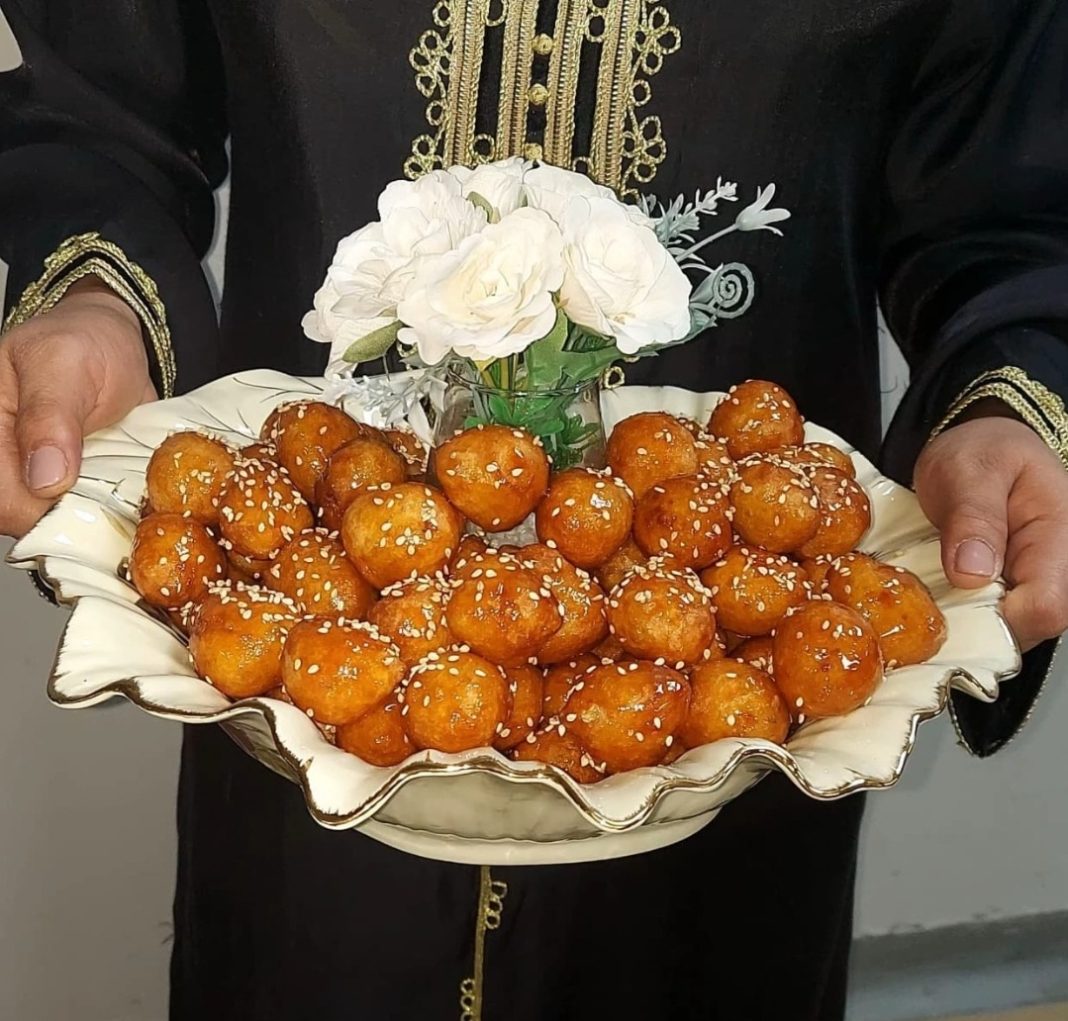

Overview of UAE hospitality
Emirati traditional food service is a cornerstone of hospitality in the UAE, reflecting a long-standing culture of sharing meals and welcoming guests. This guide focuses on practical steps for operators and staff to deliver authentic experiences while maintaining efficiency. From Emirati traditional food service planning menus to serving methods, attention to detail ensures that every guest feels valued. While traditions weave through every dish, modern workflows help teams manage time, portions, and cleanliness without compromising character or flavour.
Menu planning and authenticity
Traditional UAE food service requires thoughtful menu planning that highlights regional staples, seasonal ingredients, and storytelling through cuisine. Operators should balance iconic dishes with contemporary preferences, offering clear descriptions that honour origins. Practical steps include sourcing spice blends from Traditional UAE food service reputable suppliers, testing recipes for consistency, and training staff to explain the dishes with concise, friendly language. The goal is to present authentic flavours while remaining mindful of kitchen throughput and guest expectations.
Service style and guest experience
The service approach in Emirati traditional food service emphasises warmth, attentiveness, and a sense of community. Teams should greet guests respectfully, present dishes with minimal waste, and clear tables promptly to maintain flow. Buffets, sharing platters, or plated courses can be used depending on space and concept, but each format should reinforce hospitality values. Clear communication among front-of-house teams enhances timing and guest satisfaction during peak periods.
Operations and hygiene practices
Efficient operations support consistent quality across shifts in any Traditional UAE food service setting. Regular equipment checks, proper food handling, and rigorous hygiene standards protect guests and staff. Standard operating procedures should cover receiving, storage, cooking temperatures, and allergen awareness. Ongoing staff training ensures quick adaptation to seasonal menus while keeping safety at the forefront of daily routines.
Community and cultural respect
A respectful approach to Emirati cuisine honours culinary heritage and local customs. Training should include context about traditional ingredients, regional variations, and cultural etiquette for hosting guests. By weaving stories into service, teams create memorable experiences that resonate beyond the plate. This mindset strengthens relationships with customers and helps businesses sustain authentic practices over time.
Conclusion
Emirati traditional food service blends heritage with practical operations to deliver hospitality that feels genuine and efficient. With mindful menu design, respectful service, and solid hygiene protocols, teams can sustain high standards while adapting to evolving guest needs. Visit UMM Asma hospitality for more resources and inspiration on similar approaches, and explore how thoughtful guidance can enhance every guest encounter.