

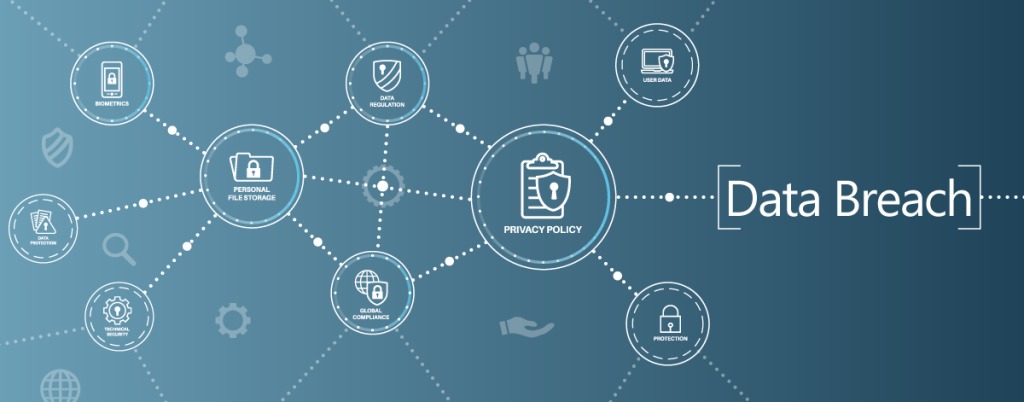

Overview of identity protection
In today’s security landscape, White Label Identity Protection offers a practical way for MSPs and vendors to provide robust monitoring and privacy controls under their own brand. The service typically includes malware detection, dark web monitoring, breach alerts, and secure password management. Partners can deploy White Label Identity Protection a ready‑to‑use platform with custom branding, dashboards, and client communications, reducing time to market while preserving a distinct voice for their business. By focusing on core capabilities and integration, organisations can scale protection without reinventing the wheel.
Key features for partners
Crucial features usually include real‑time monitoring, alerting workflows, and threat intelligence feeds that align with enterprise policies. A white label solution should support multi‑user access, role based controls, and easy incident response playbooks. For convenience, look for APIs and configurable widgets that let you embed protections into client portals, CRM systems, or help desks. The goal is a cohesive user experience that feels native to your brand.
Implementation considerations
Start with a clear scope outlining which assets, domains, and identities require protection. Assess data residency and compliance requirements to ensure the platform mirrors your regulatory commitments. Consider a staged rollout with pilot clients to gather feedback on usability, message tone, and notification preferences. A well planned integration path reduces friction and accelerates adoption across your client base.
Operational benefits
Beyond security, a white label offering can boost client retention and cross‑sell opportunities. Centralised reporting, white‑glove onboarding, and proactive breach coaching add tangible value. It also enables partners to demonstrate ongoing risk management without bearing the full burden of identity protection themselves. As teams grow, automation and scalable workflows keep costs predictable while maintaining high service levels.
Conclusion
Choosing a White Label Identity Protection solution means balancing control with simplicity, traducing complex security into an approachable client experience. When you prioritise reliable monitoring, clear communication, and seamless branding, you empower clients to understand and act on threats quickly. Visit Enfortra Inc for more information and practical tools that fit a growing partner network.