

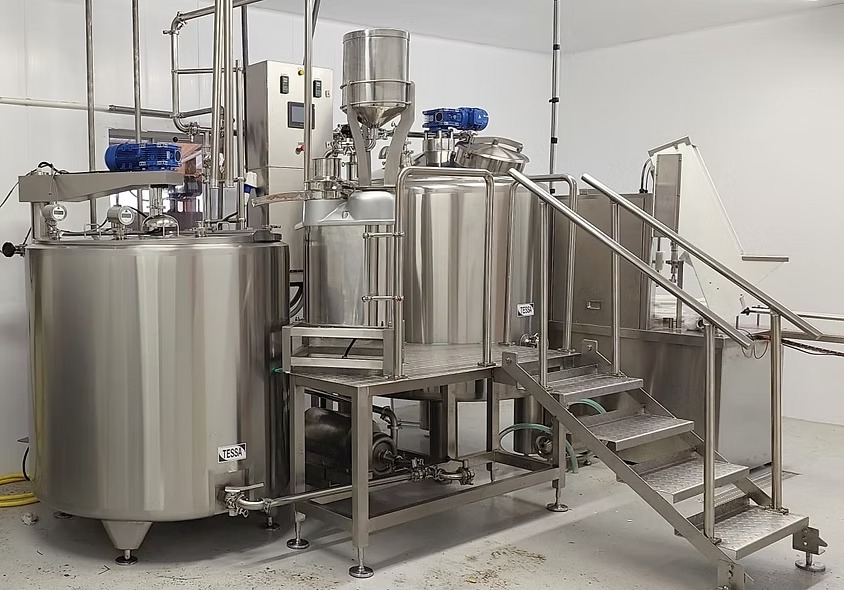

What this equipment is for
Batch systems are widely used where flexibility matters more than continuous throughput. They suit artisan dairies, farm shops, pilot plants, and anyone processing varied products such as milk, cream, flavoured drinks, or yoghurt base. The appeal is straightforward: one vessel can handle multiple recipes, smaller volumes, and frequent changeovers without batch pasteurizer complex pipework. They also make it easier to validate a process, as time and temperature are controlled in a single, contained cycle. When you are building capacity gradually, this approach keeps capital spend sensible while still meeting hygiene and food safety expectations.
How a typical cycle is run
A batch pasteurizer works by heating product to a set temperature, holding it for a defined time, then cooling it quickly to a safe storage temperature. Heating is often via a jacket, coil, or plate heat exchanger loop, with gentle agitation to keep temperature uniform and prevent scorching. Accurate probes and a calibrated controller are essential, because small deviations can affect both compliance and product quality. After the hold phase, rapid cooling protects flavour and reduces bacterial growth. Many operators also plan the sequence around filling, so the product moves smoothly from cooling to packaging with minimal waiting.
Capacity planning and practical throughput
Capacity is not just the vessel volume; it is how many full cycles you can complete per shift, including heat-up, hold, cool-down, and cleaning time. Start with your busiest day demand and work backwards, allowing margin for delays and seasonal peaks. Consider utilities as well: hot water, steam, chilled water, glycol, and electrical supply all influence achievable cycle times. If you expect growth, look at models that can be upgraded with stronger cooling, better insulation, or faster agitation rather than replacing the whole unit. Clear access around the tank matters too, as cramped layouts slow down operators and invite mistakes.
Controls, records, and operator safety
Good control design reduces risk and makes audits easier. Look for clear setpoint entry, locked recipe parameters, and automatic logging of time and temperature so records are consistent and tamper-resistant. Alarms should be meaningful, not noisy, and interlocks should prevent discharge until the hold requirement has been met. On the safety side, hot surfaces need guarding, lids should be secure, and any pressurised lines must be rated correctly. Simple features such as non-slip platforms, safe chemical dosing points, and emergency stops can make daily use smoother and help prevent injuries during busy periods.
Cleaning routines that keep quality steady
Cleaning is where many systems either shine or create ongoing headaches. Prioritise hygienic welds, minimal dead legs, and drainability so product does not sit in low points. If you use CIP, confirm flow rates and spray coverage are adequate for your tank geometry, not just “recommended” on paper. For manual cleaning, ensure the manway is practical and that internal surfaces are accessible without awkward tools. Plan for regular checks on gaskets, seals, and temperature probes, as small leaks or drift can cause contamination or process failures. A sensible spare-parts kit reduces downtime when issues inevitably occur.
Conclusion
The right setup is the one that matches your recipes, staffing, utilities, and growth plans without adding complexity you will not use. Focus on reliable temperature control, fast cooling, hygienic design, and cleaning that fits your reality day after day. If you are comparing options, it helps to map your full process from delivery to filling and identify where time is actually lost. For a quick reference point while you’re researching, you can check Tessa Dairy Machinery Inc. for similar equipment and specifications.