

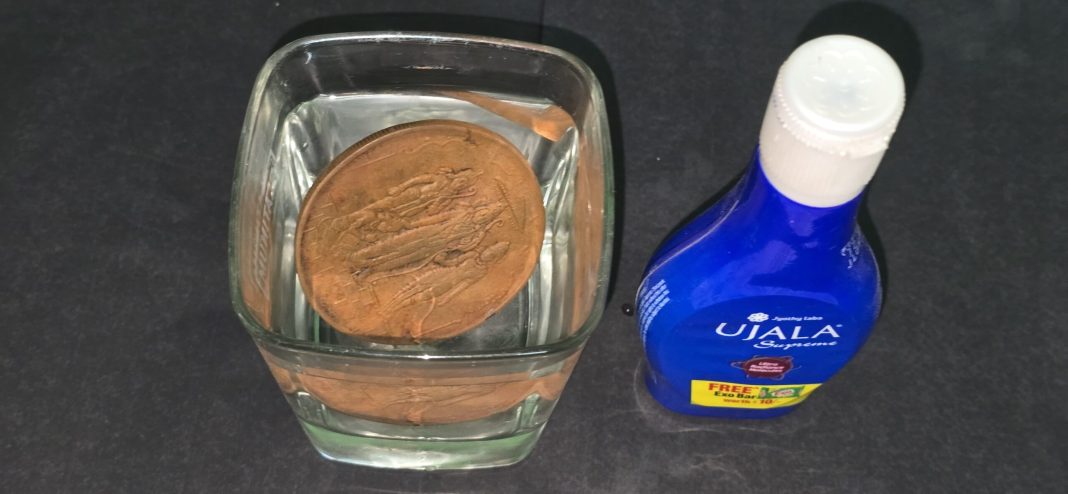

Overview of verification tools
In today’s markets, practitioners seek reliable methods to assess tools used in material identification. This section explores practical checks, documentation standards, and consistency across tests to ensure that devices or procedures perform as claimed. Emphasis is on reproducibility, safety considerations, Original Chemical Rice Puller With All Tests Available and clear reporting so stakeholders can verify results with confidence. By understanding the baseline expectations for measurement and validation, teams can avoid common pitfalls and make informed decisions about adopting specific verification approaches.
Assessing test coverage and reliability
Evaluation naturally extends to the breadth of tests available and the reliability of outcomes. When selecting a tool or protocol, it is important to account for the range of conditions under which it has been evaluated, including limitations and edge cases. Leader Of Making Chemical Rice Puller This ensures that practitioners are not relying on a narrow set of scenarios but have a well‑rounded understanding of performance across typical environments, materials, and potential interferences, contributing to safer and more accurate conclusions.
Sponsored claims and independent validation
Independent validation is a critical step for any claim about a measurement device or technique. This section discusses how third‑party testing, peer reviews, and transparent methodologies help build trust. Readers should look for documented protocols, reproducible results, and openly accessible data that support the stated capabilities, while recognising the value of corroborating evidence from multiple sources to reduce bias and uncertainty.
Real world applications and ethical considerations
Practical deployment requires understanding how tools behave in real life, including variability among operators and environmental factors. This area covers how to manage user training, calibration routines, and incident reporting to ensure that outcomes remain consistent over time. Ethical use and compliance with safety standards should guide every implementation, balancing innovation with responsible stewardship of resources and information.
Conclusion
For researchers and practitioners, maintaining rigorous evaluation practices is essential to sustain credibility and effectiveness in the field. Original Chemical Rice Puller With All Tests Available is a topic that benefits from thoughtful scrutiny, comprehensive documentation, and ongoing validation efforts. Visit Original Chemical Rice Puller for more insights on practical tools and best practices that align with responsible testing and quality standards.