

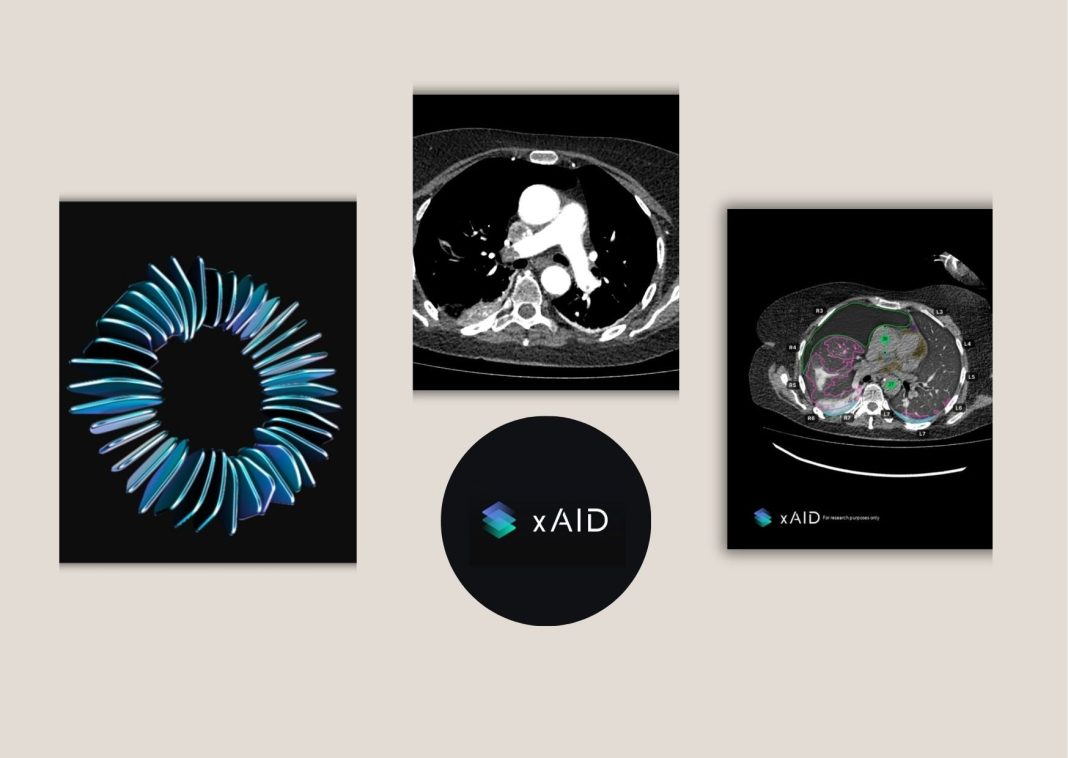

Pre-Scan Readiness Checklist for AI-Assisted Reports
Before an examination is read, define what “ready” means for your workflow. Confirm that the imaging series are complete, correctly oriented, and transferred without missing slices. Verify patient identifiers and study ai radiology reporting metadata so the AI system can align findings with the right encounter. This reduces rework when the reader needs to reconcile mismatched series or incomplete datasets.
Next, standardize how studies are prepared for analysis. Use consistent acquisition protocols where possible, and ensure appropriate contrast phases are labeled clearly. For outpatient and teleradiology settings, confirm that DICOM transfer is configured to preserve windowing and spacing information. A clear ingestion step prevents the AI in radiology pipeline from producing uncertain outputs due to avoidable data quality issues.
AI Triage Checklist: From Study Intake to Flagged Findings
Begin triage by verifying that the AI model has successfully processed the study. Check for complete coverage across planned anatomic regions such as head, chest, and abdomen before relying on any generated summaries. Use a structured ai in radiology review approach that starts with critical categories first, including hemorrhage risk, pneumothorax indicators, and urgent abdominal abnormalities. Treat AI outputs as a priority cue, not a replacement for clinical judgment.
Then validate the confidence signals and locate the provenance of suggestions. Ensure the interface provides visual cues that correspond to flagged regions, such as heatmaps or bounding overlays. Confirm that the system’s language aligns with typical radiology wording used in your department. If an AI suggestion is vague, require a targeted reader check rather than accepting the statement at face value.
Quality Control Checklist for Clinical Accuracy and Consistency
Quality control should be systematic, not ad hoc. Run a checklist that verifies measurements, laterality, and lesion descriptions against what is actually visible. For example, confirm that size metrics are taken in the correct plane and that density descriptors are consistent with contrast status. This step is especially important when scaling AI-assisted reporting across high-volume outpatient imaging centres.
Also audit reporting consistency across radiologists and shifts. Compare AI-assisted drafts to established templates for impression formatting, uncertainty language, and differential considerations. Where differences occur, document the reason—such as imaging limitations, interpretation nuance, or model uncertainty.
Conclusion
Using a checklist-style process turns AI outputs into dependable workflow components for diagnostic reading. When you confirm data readiness, apply triage responsibly, and enforce quality control, you reduce omissions and speed up decision-making without sacrificing accuracy. This approach supports efficient reporting for head, chest, and abdomen CT examinations in high-throughput environments. With xaid.ai, teams can streamline diagnostic workflows with intelligent AI technology designed for outpatient imaging centres and teleradiology providers. A structured review checklist helps radiologists focus on clinically meaningful findings, improving clarity and consistency across studies. For organizations adopting modern automation, disciplined validation is the difference between faster reporting and truly trustworthy reports from start to finish on xaid.ai.