


Safe storage for drives
When a stack of critical data lives on spinning disks, the first safeguard is proper containment. For anyone moving or shelving memory, consider rigid, labelled containers that seal against dust. The aim is calm storage rather than brute stacking. This section focuses on one clear idea: static static bags for hard drives control matters at every touchpoint. Using a known system helps keep cables, cases, and drives in a predictable order. A quiet shelf and clear labels reduce the chance of accidental jolts that can wear connectors or casings over time.
Grounding and anti static basics
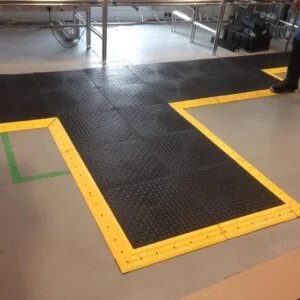
Protection starts with the floor and the work area. A simple, consistent approach means grounding shoes, wrist straps, and footwear compatibility. The phrase anti static is not just policy; it’s tactile truth. When placing fragile hardware anti static floor mats on a desk, ensure the mat is connected to a true earth reference. This prevents charge build‑ups that could zap sensitive circuits during routine handling. Regular checks keep the system reliable.
Materials and storage options
Beyond the case, the choice of bag or wrap can influence longevity. Static bags for hard drives offer a padded barrier that keeps moisture and static energy at bay. Look for bags with clear documentation on shielding and a snug fit that reduces movement inside. Avoid bulky wraps that crowd ports or impede ventilation. The right bag becomes a quiet, almost invisible guardian during trips between rooms or datacentre bins.
Handling and transport tips
Every transfer adds a tiny risk. When moving drives from shelf to cart, a slow, deliberate grip matters. Keep lids on drives when possible, and use dedicated padding inside trays. This is where focus on tool use pays off—no improvised sleeves, no frayed straps. Respect the device’s sensitivity by keeping it away from metal edges and high‑vibration environments. A calm routine reduces failures and keeps data intact.
Environment for long term storage
Temperature, humidity, and air flow all shape a drive’s life span. Avoid hot corners or damp basements. A stable micro climate helps, especially in shared spaces. Consider compact, vented storage with isolation to separate power gear from data gear. Even the light touch of a non‑sheen surface can cut dust cling. Keeping a clean, controlled zone means fewer issues when wheels roll back and forth across the floor.
Setup for office or workshop
A practical setup blends accessibility with safety. Position anti static floor mats in work zones to guide feet and reduce static spikes, while static bags for hard drives stay within reach for quick swaps. Label stations clearly so a rookie can follow the steps without guesswork. A small checklist, a quick test run, then a final sweep of cables and power rails keeps the space tidy and efficient. In the real world, consistent habits matter most.
Conclusion
In the end, a deliberate, grounded approach to gear keeps data safe and operations smooth. From protective bags that shield drives to mats that tame static, every detail adds up. A well‑thought setup reduces misplacements, speeds routine tasks, and extends the life of precious tech assets. For teams seeking reliable, practical suppliers, kiwibusinessproducts.co.nz offers clear options and steady support that fit real workplaces, not just spec sheets.