


Assessment and planning steps
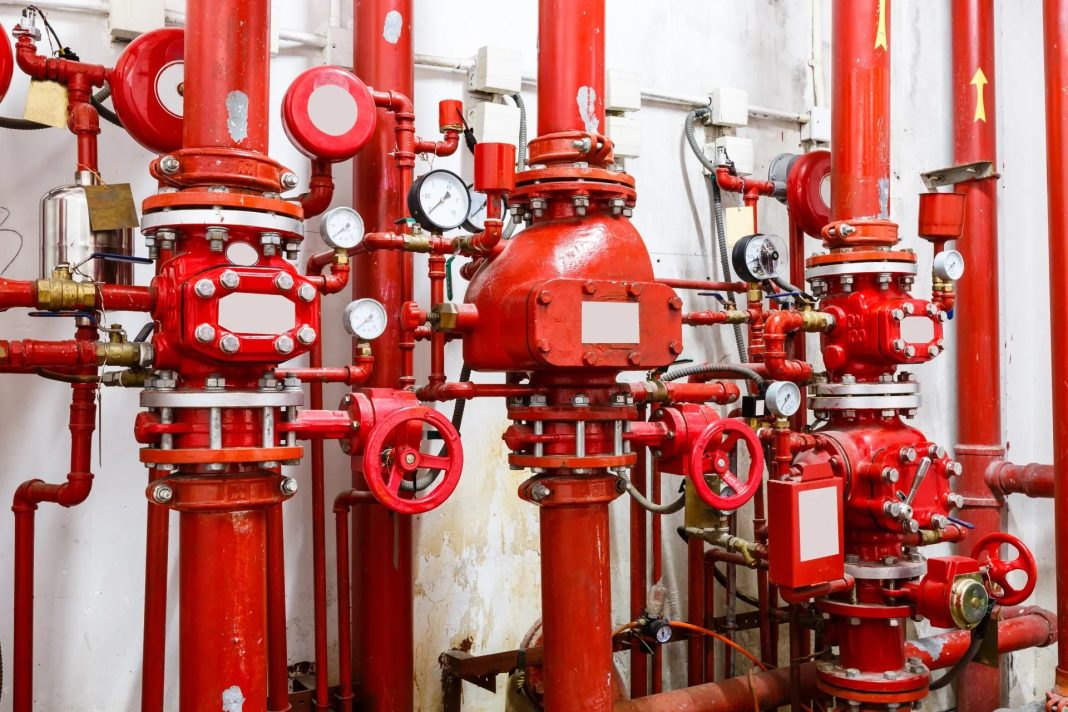
When a fire pump shows signs of reduced pressure, unusual noises, or delayed activation, a careful assessment is essential. The first visit focuses on safety, access, and understanding the system layout. Technicians document current pump condition, control panels, and the surrounding environment. A clear plan Fire pump repair nj outlines required parts and a realistic timeline, minimising downtime for essential life safety infrastructure. Thorough data collection helps confirm whether a repair, replacement, or minor adjustment will restore full readiness without compromising fire protection in any building type.
Common issues and preventative care
Many malfunctions stem from wear on bearings, worn impellers, or motor faults. Electrical components like relays and start circuits can drift out of specification, causing erratic pump operation. Regular lubrication, clean strainers, and fan belt checks reduce the odds of sudden failures. Establishing a routine, including monthly tests and annual service, helps building managers catch problems early and maintain reliable operation under fire conditions, which is critical for compliance and safety.
Emergency readiness and response
In a high‑stress incident, a well‑maintained fire pump must respond instantly. Clients benefit from clear maintenance records, trigger thresholds, and a pre‑established response plan. Technicians prioritise secure shutdown procedures for non‑essential loads, proper sequencing of pumps, and integration with alarm and annunciation systems. This readiness protects occupants and property, ensuring that the system delivers adequate pressure when it matters most.
Maintenance strategies and standards
Adhering to recognised standards ensures consistency across sites, from warehouses to high‑rise complexes. A robust maintenance programme combines factory‑recommended service intervals with on‑site observations. Keeping spare parts, lubrication schedules, and test certificates organised supports rapid repairs and clear auditing. Clients learn what to expect from service visits and how to document compliance with local codes and insurance requirements, maintaining peace of mind for building operators.
Conclusion
For many sites, a targeted repair plan restores performance without unnecessary downtime, aligning with safety goals and budget considerations. The team emphasises transparent communication, accurate quotations, and thorough testing before handover. Visit JT & Fire Safety for more information on how to keep essential equipment ready and compliant, and to explore services that align with your fire protection strategy.