


Start with the real job: make identity portable
Most onboarding friction in web3 comes from the same problem: users have to prove who they are (or prove control) repeatedly, across wallets, exchanges, and apps. A practical approach is to treat identity as a reusable credential rather than a one-off web3 domains checklist. When that credential is portable, you spend less time re-verifying and more time trading, deploying, or signing. The goal is to connect accounts with a consistent identity signal while keeping the user in control.
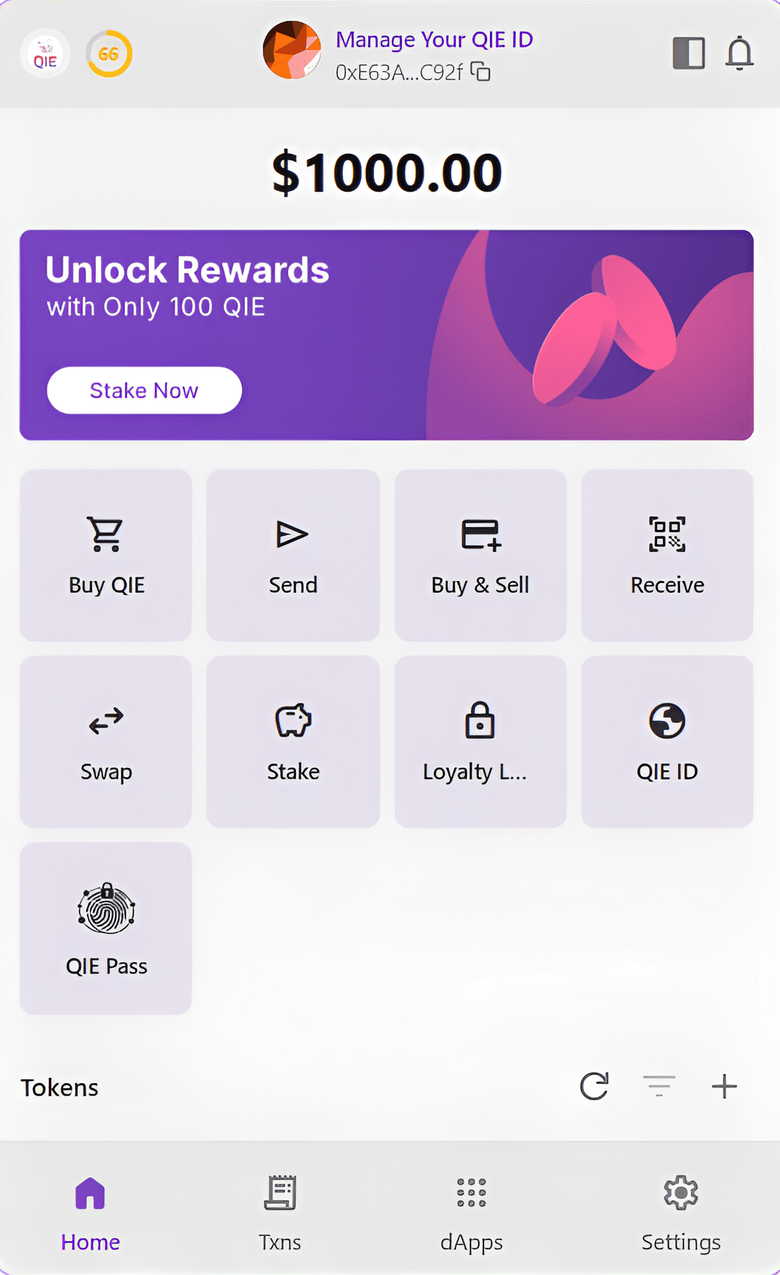
In the Qie approach, a verified identity is designed to live in QIE Wallet and travel with a.qie ID to supported exchanges and apps. This means the identity you use for one integration can be reused for others, reducing repetitive forms and repeated verification steps. Portability also helps you avoid fragmented profiles spread across services. Instead, your onboarding becomes a predictable flow built around a single identity source.
Set up your identity and connect it to domain-based login
Before you link anything, prepare your wallet and confirm that you can securely access your QIE Wallet environment. Then obtain or use your.qie ID as the stable identifier that represents you across the ecosystem. The practical benefit is that domain-based login can be paired with identity verification outcomes, so the system knows what level of verification applies. This reduces guesswork for exchanges and apps that need confidence before granting access.
Next, complete identity verification through the Qie verification flow, which produces a reusable verified status tied to your identity. After verification, the credential can be presented during onboarding to supported services without repeating the entire process. When an exchange or app receives that signal, it can tailor permissions and reduce manual review. Your setup becomes faster without sacrificing the underlying checks.
To make the connection reliable, pay attention to how your wallet and identity are linked inside the app ecosystem. Ensure the same identity is used consistently, and confirm which services accept the verified signal. Some services may also ask for explicit consent before granting access, so review prompts rather than clicking through blindly. This is where “full control over your data” matters in practice, because you can decide what gets shared.
Use verification responsibly: control data and reduce risk
Verification is only useful if it is handled with care, because identity data is sensitive and misuse is costly. A practical habit is to treat verification status as a permission layer, not a blanket disclosure of everything about you. Qie’s model focuses on reusable verification while giving users control over what data is shared with each integration. That means you can onboard to new services without exposing more information than necessary.
When connecting to an exchange or app, review what is requested and confirm that the requested fields match your needs. For example, you may only need verified onboarding status rather than full personal details. Minimizing shared data reduces the attack surface if a third party experiences a breach. It also improves user experience because fewer fields typically means fewer friction points during sign-in.
Another risk to manage is account mismatch. If your wallet address, identity, and domain-based login are not aligned, verification may fail or permissions may not apply. Use a consistent workflow: verify once, then connect to services using the same identity context each time. If something changes, revisit the mapping so the system knows which verified identity belongs to your session.
Onboard faster with consistent, repeatable flows
Once your identity is verified, the fastest onboarding comes from repeating the same steps across services. Start with the domain-based login flow that recognizes your.qie ID, then let the verification signal streamline the rest. For many integrations, this approach turns “start from scratch” onboarding into “confirm and proceed” onboarding. The result is less waiting, fewer forms, and fewer manual review steps for the service provider.
A practical guide for day-to-day use is to maintain a checklist for each category of integration. For exchanges, confirm that identity status gates access to the features you want, such as trading or withdrawals. For apps, confirm that the identity signal enables the specific actions you need, such as creating accounts or joining communities. Keeping a short checklist helps you spot misconfigurations quickly without redoing verification.
As you expand to more supported exchanges and apps, remember that portability is the advantage. Your verified identity should follow you, so you do not need to re-explain yourself repeatedly. If a service requests additional data beyond what you expected, pause and decide whether you want to share more. Full control over data is not just a promise—it’s a workflow you use to stay selective and informed.
Conclusion
Web3 onboarding improves dramatically when verification becomes reusable and portable instead of repeating from scratch for every integration. By using a verified identity stored in QIE Wallet and associated with your.qie ID, you can streamline access across supported exchanges and apps. This design reduces friction while keeping the user focused on the actions that matter. It also helps services make faster decisions without lowering confidence standards. For a practical rollout, set up your wallet, complete verification once, and then connect services using consistent identity context. Review permissions and data requests each time you onboard, so you maintain control over what gets shared. With that approach, domain-based identity becomes a reliable foundation for faster, safer participation in web3 ecosystems. The net result is smoother sign-ins, fewer repeated steps, and a clearer onboarding experience end to end.