

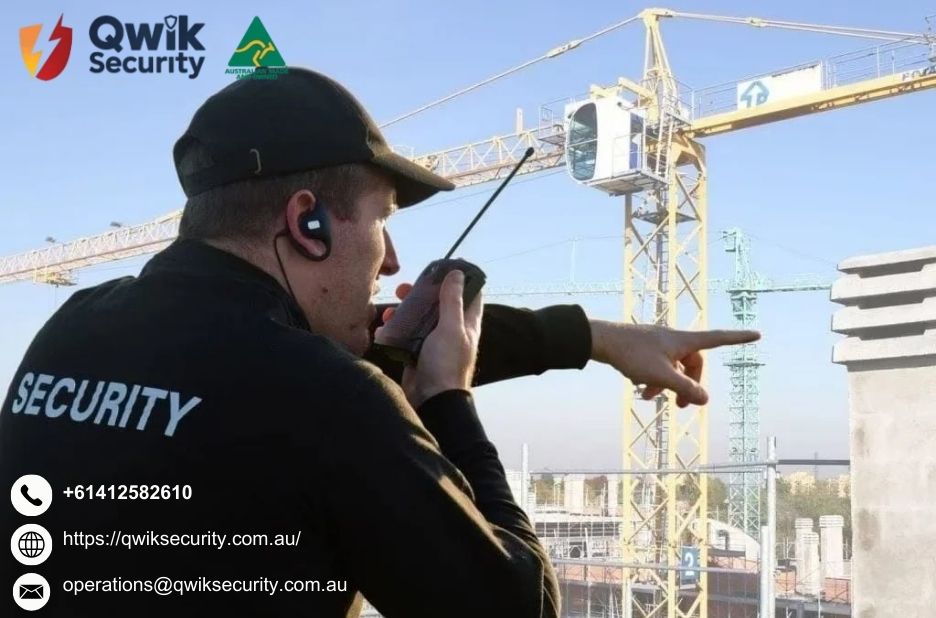

Overview of site protection
When planning a construction project, safeguarding equipment, materials, and workers is essential. A robust security approach helps deter vandalism, theft, and unauthorized access, which can cause costly delays. By deploying trained personnel, you gain responsive incident reporting, clear access control, security guards for construction sites and a visible deterrent that reassures stakeholders. The right team understands the unique risks of heavy machinery, overnight storage, and subcontractor movements, coordinating closely with site managers to align security activities with daily operations.
Roles and responsibilities of guards
Security professionals on construction sites perform a range of functions from monitoring CCTV feeds and patrols to verifying credentials at entry points. They document incidents, manage visitor logs, and collaborate with project leads to enforce site rules. A clear chain of Construction site security Guards Melbourne command ensures rapid decision making during emergencies or equipment tampering. Guards also participate in pre-job risk assessments, helping identify blind spots and optimizing patrol routes for maximum coverage while minimizing disruption to construction workflows.
Choosing the right service provider
Selecting a security partner requires evaluating experience with industrial sites, response times, and the ability to scale coverage during peak phases. Look for providers offering licensed personnel, background-checked staff, and ongoing training in hazard recognition and conflict de-escalation. Transparent pricing, customizable shifts, and robust reporting tools further support accountability. A local presence can enhance responsiveness, so consider providers with strong regional networks and familiarity with Melbourne construction regulations and site practices.
Technology and process integration
Effective security combines human presence with technology such as access control systems, perimeter sensors, and incident management software. Guards should be trained to operate cameras, alarms, and muster procedures, ensuring real-time alerts reach site managers. Integrated processes enable swift enforcement of safety rules, accurate incident logging, and post-incident reviews to prevent recurrence. A well-integrated system reduces false alarms and improves overall site continuity by coordinating with project timelines and subcontractor routines.
Cost considerations and ROI
Investing in security for construction sites pays off by lowering theft losses, reducing project delays, and increasing insurance security. While upfront costs vary, a focus on scalable staffing, reliable response, and comprehensive reporting yields long-term savings. Consider the value of deterrence, rapid incident resolution, and documented compliance that supports audits and regulatory requirements. A detailed service agreement should outline coverage levels, response times, and performance metrics to ensure predictable budgeting over the project lifecycle.
Conclusion
Effective protection for your project relies on a well-planned mix of skilled guards, smart systems, and coordinated processes that align with construction schedules and site rules. By engaging a capable partner, you can minimize disruptions and safeguard assets while maintaining a safe, compliant work environment.