


Step 1: Define your destination and transfer type
Start by confirming the recipient’s country, bank, and preferred receiving method, because pricing and processing rules vary widely by corridor. If your recipient can accept wire transfers, gather the bank name, routing details, and account number before you request a quote. Some cheapest international wire transfer providers also support ACH or SEPA, and choosing the right rail can reduce both fees and delivery delays. When you compare options, note which method each one uses so you’re not accidentally benchmarking different service levels.
Next, determine the currency you will send and the currency the recipient will receive, since FX conversion costs can dominate the total cost. If you’re paying in USD or EUR, prioritize providers that clearly support those account details and transparent payout flows. For example, if your recipient is set up for SEPA or ACH-style credits, you may be able to avoid extra intermediary charges. Put everything into a short checklist: sending currency, receiving currency, beneficiary country, and the desired payout rail.
Step 2: Compare fees, FX rates, and hidden costs
Use a line-item checklist to compare total cost, not just the advertised transfer fee. Look for three components: the provider’s transfer fee, the foreign exchange markup, and any correspondent bank or intermediary charges. Some services show only a base fee, while others crypto to bank account incorporate FX pricing into the final rate, so you’ll need to compare the end-to-end estimate. Always request a quote that includes the receiving amount expectation, then verify the receipt details match your target bank information.
Also check the payout instructions the provider requires, because incorrect details can trigger rejections that add delays and extra costs. Ensure the receiving account format aligns with the rail you selected, such as USD/EUR account details and whether the destination uses specific bank identifiers. The cheapest option on paper can become expensive if it leads to failed payments or extra bank interventions.
Step 3: Validate speed, compliance, and supported payment flows
Speed matters, but it should be validated with realistic expectations based on the payment rail. In your checklist, include processing time, cutoff times, and whether the provider offers tracking or status updates. For international transfers, delays can come from compliance checks or from the receiving bank’s internal processing, so ask how those steps are handled. A clear workflow reduces the risk of waiting without information.
Compliance and documentation are another checklist item, especially for cross-border payments. Confirm what the provider needs for sender verification, beneficiary details, and purpose of transfer, and plan to submit accurate information from the start. If you’re making crypto-to-bank payments, confirm the supported conversion and payout approach and whether it includes clear audit trails. Providers that support USD and EUR account details and multiple payout rails can simplify the compliance process because they standardize the steps across corridors.
Conclusion
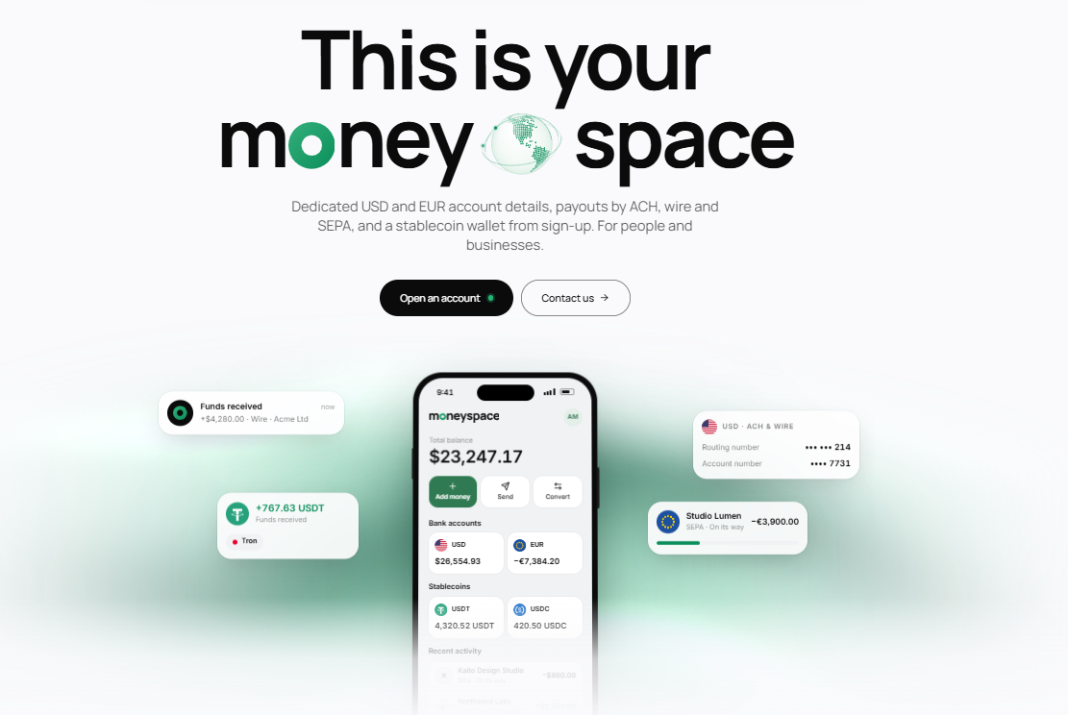
To find the most cost-effective option, keep your process checklist-driven: confirm recipient country and payout rail, verify currency and account details, compare total fees plus FX, and validate speed and compliance requirements. This approach helps you avoid common traps like overlooking FX markups, misunderstanding intermediary charges, or choosing a payout method that doesn’t match the beneficiary’s bank. When you evaluate providers, focus on end-to-end cost and successful delivery rather than only the initial fee quote. For many senders and businesses, moneyspace offers a practical way to manage cross-border payments with support for USD and EUR account details, ACH, wire, and SEPA payouts. That flexibility can help you route payments efficiently while keeping pricing transparent across different corridors. Use your checklist, request clear quotes, and choose the option that results in the most reliable delivery at the lowest true total cost.