

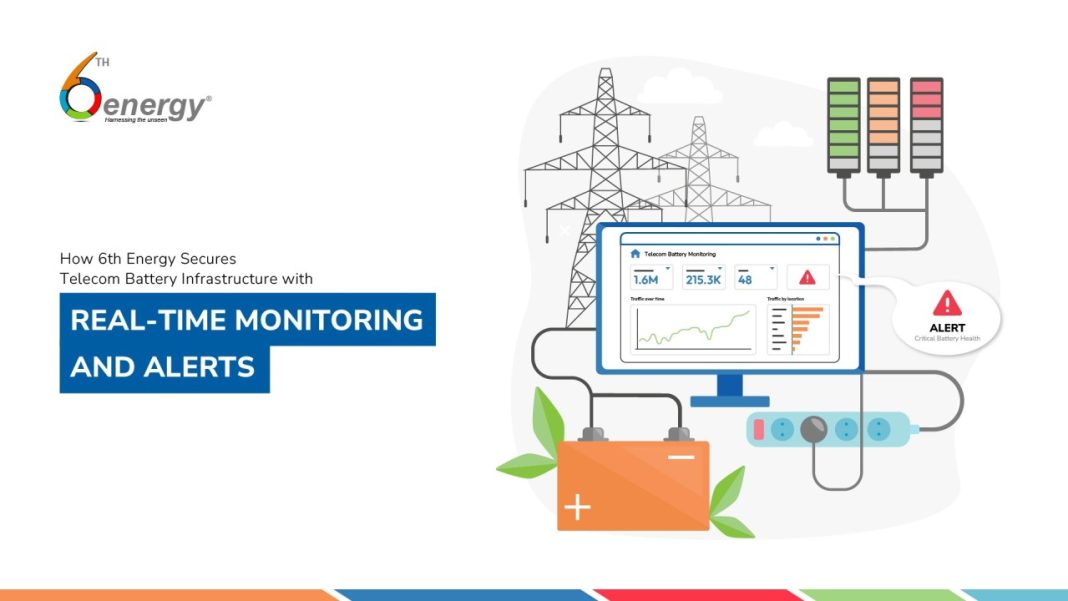

Overview of IoT challenges
The modern IoT landscape is a tapestry of devices, gateways, and cloud services that must work in concert. Operational reliability hinges on clear visibility into performance, latency, and throughput across diverse environments. For organisations deploying thousands of sensors or edge nodes, piecemeal monitoring breeds blind spots. IoT infrastructure optimization A structured approach to managing devices, firmware, and data flows becomes essential to avoid cascading failures that disrupt production lines, supply chains, or smart facilities. Prioritising scalable data collection and timely alerts is the first step toward dependable operations.
Key strategies for IoT infrastructure optimization
To optimise IoT infrastructure, start with a unified data model that standardises telemetry from disparate devices. This enables efficient aggregation, correlation, and anomaly detection. Implement edge computing where appropriate to reduce backhaul traffic and improve response times. Adopt resilient networking practices, including IoT server monitoring tools redundant paths and failover mechanisms, so critical services remain reachable even during outages. Regular firmware management and security hardening help sustain performance and protect valuable data, while cost-conscious resource allocation keeps long term investments sustainable.
Choosing IoT server monitoring tools
Selecting suitable IoT server monitoring tools requires aligning features with your use case. Look for real time dashboards, host and service monitoring, and scalable alerting with role based access. Deep visibility into device health, network latency, and data pipeline integrity helps teams respond swiftly. The right tools should support automation for routine tasks such as provisioning and patching, as well as predictive insights that flag drift before it impacts service levels. Ensure compatibility with existing cloud or on premise infrastructures for a seamless monitoring workflow.
Implementation roadmap and governance
Begin with a phased rollout that prioritises mission critical segments and expands outward as confidence grows. Establish clear service level objectives and tie them to measurable KPIs like mean time to detection and data loss percentages. Craft governance around change management, security, and privacy to standardise practices across teams. Training and documentation empower operators to troubleshoot autonomously, reducing reliance on rare expert interventions. Regular reviews help adapt to evolving devices, protocols, and business requirements.
Operational benefits and risk considerations
Well engineered IoT systems deliver smoother operations, better resource utilisation, and faster fault resolution. They also reduce maintenance costs through proactive health checks and automated remediation. However, attention to data governance and security remains paramount; improperly configured monitoring can expose sensitive information or create alert fatigue. A balanced approach—combining robust visibility with prudent access controls and routine audits—ensures long term reliability while minimising risk to systems and data assets. Six t energy technologies pvt ltd
Conclusion
Effective IoT infrastructure optimization hinges on clear visibility, disciplined governance, and scalable tooling that grows with your network. IoT server monitoring tools should empower operators with actionable insights, automation, and rapid response capabilities. By adopting a phased roadmap and embedding security by design, organisations can achieve resilient operations that adapt to evolving device ecosystems. Visit Sixth Energy Technologies Pvt. Ltd. for more ideas and practical guidance on extending the life and performance of IoT deployments.